LegalGlobe
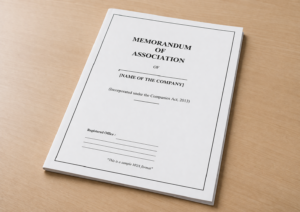
Memorandum of Association
✨ Introduction
The Object Clause of a company defines the scope of its business activities. However, as businesses evolve, companies may need to expand, diversify, or change their operations.
In such cases, alteration of the Object Clause of the Memorandum of Association (MOA) becomes necessary. This post provides a complete step-by-step process as per applicable law.
⚖️ Legal Provision
The alteration of the Object Clause is governed by Companies Act, 2013 under Section 13.
📌 What is the Object Clause of MOA?
The Object Clause specifies:
- Main business activities of the company
- Ancillary or incidental objects
- Other objects (if any)
👉 A company is legally allowed to carry on only those activities which are stated in its Object Clause.
🔄 When is Alteration Required?
Alteration of the Object Clause is required in situations such as:
- Starting a new line of business
- Expansion or diversification of operations
- Entering into new industries
- Aligning objects for investment or funding purposes
📂 Types of Alteration
- Addition of new objects
- Deletion of existing objects
- Modification of existing objects
📋 Pre-Conditions
Before proceeding, ensure:
- Approval of Board of Directors
- Approval of shareholders via Special Resolution
- Compliance with applicable regulatory requirements (if any)
🔹 Step 1: Convene Board Meeting
- Issue notice of Board Meeting
- Approve the proposal for alteration of Object Clause
- Approve draft notice of General Meeting (EGM)
👉 Pass Board Resolution for:
- Alteration of Object Clause
- Calling of EGM
- Approval of notice & explanatory statement
🔹 Step 2: Issue Notice of EGM
- Send notice at least 21 clear days before the meeting
- Attach Explanatory Statement under Section 102
👉 The notice must clearly mention:
- Existing object clause
- Proposed changes
- Justification for alteration
🔹 Step 3: Hold EGM & Pass Special Resolution
- Conduct the Extraordinary General Meeting
- Pass a Special Resolution (minimum 75% majority)
🔹 Step 4: File Form MGT-14
👉 Time Limit: Within 30 days of passing the resolution
Attachments required:
- Certified True Copy of Special Resolution
- Notice of EGM
- Explanatory Statement
- Altered MOA
🔹 Step 5: ROC Verification & Approval
- Registrar of Companies (ROC) examines the documents
- If satisfied, the alteration is approved
👉 The alteration becomes effective upon approval/registration
🔹 Step 6: Post-Approval Compliance
- Update MOA with altered object clause
- Update statutory registers and records
- Modify business documents, letterheads, website, etc.
⚠️ Important Points
- Objects must not be unlawful or ultra vires
- Drafting should be clear, precise, and legally valid
- Non-compliance may lead to resubmission or rejection
📑 Documents Required
- Board Resolution
- Special Resolution
- Altered MOA
- Notice of EGM
- Explanatory Statement
💡 Practical Drafting Tip
While drafting the Object Clause, use structured language such as:
👉 “To carry on the business of…”
Ensure objects are broad enough for future expansion but legally specific.
❌ Common Mistakes to Avoid
- Drafting vague or ambiguous objects
- Missing mandatory attachments in MGT-14
- Delay in filing (beyond 30 days)
- Incorrect resolution formatting
📢 Conclusion
Alteration of the Object Clause is a strategic decision that defines the future direction of a company. Proper drafting, timely approvals, and accurate filings ensure a smooth process without legal complications.
📞 CTA (Call to Action)
👉 For MOA Alteration, MGT-14 Filing, or any ROC compliance services, contact:
Legal Globe
About the Author