gst return
Introduction
Under the GST regime, return filing is a crucial compliance requirement for every registered taxpayer. One of the most important returns related to sales is GSTR-1.
This guide explains:
- What GST return of sale means
- What GSTR-1 is
- Who needs to file it
- Step-by-step filing process
What is GST Return of Sale?
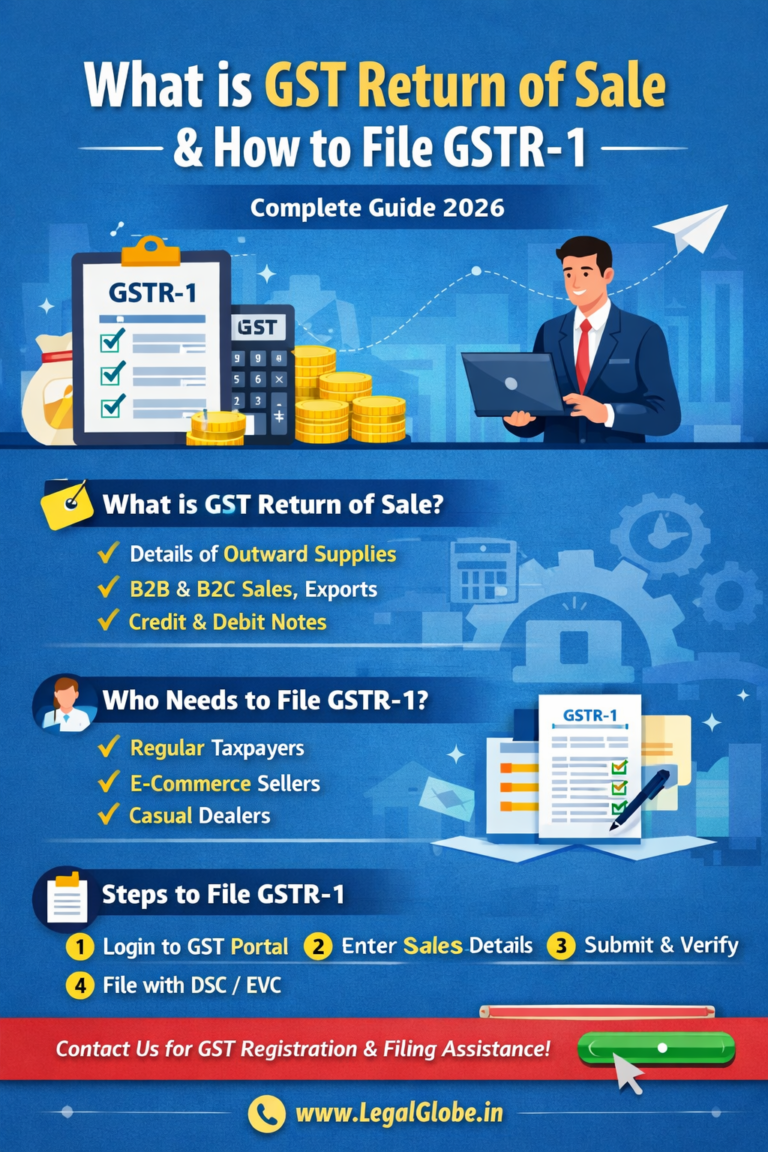
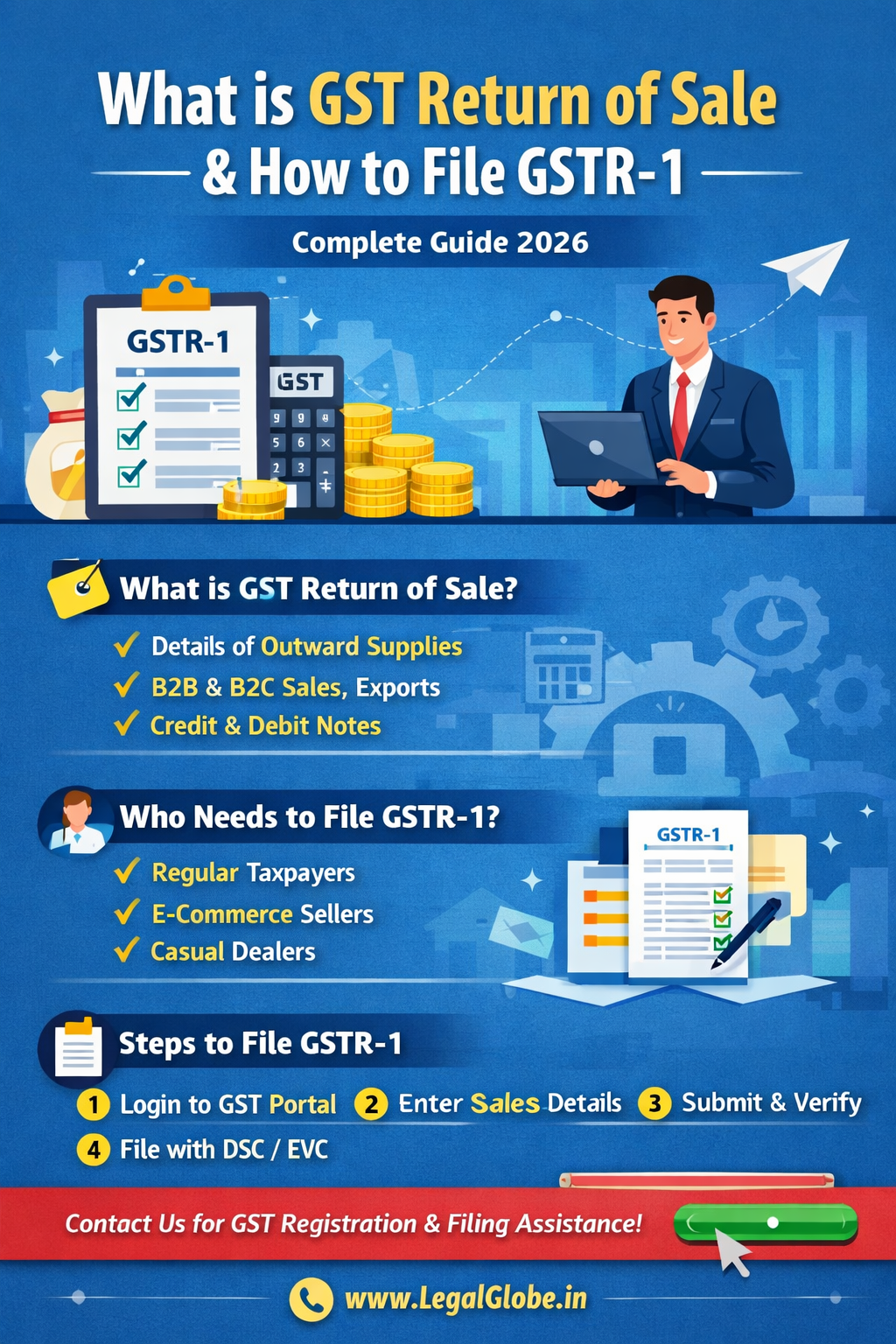
A GST Return of Sale refers to the details of all outward supplies (sales) made by a business during a specific period.
It includes:
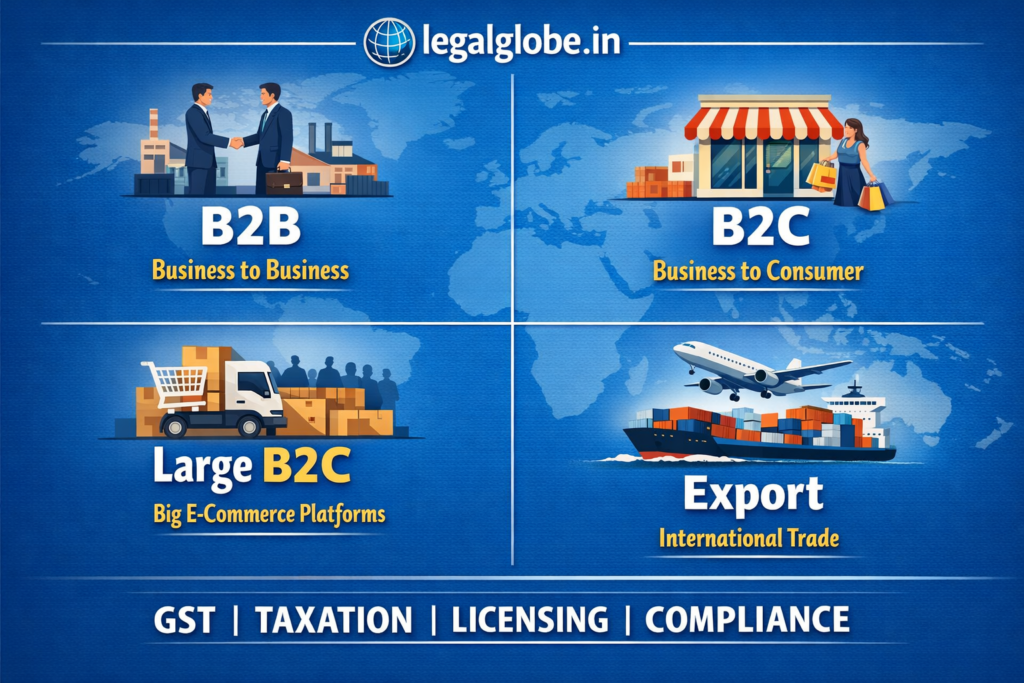
- B2B sales (to registered persons)
- B2C sales (to consumers)
- Export sales
- Credit and debit notes
- Advance receipts
👉 This information is reported through GSTR-1, which is the primary return for outward supplies.
What is GSTR-1?
GSTR-1 is a monthly or quarterly return filed by registered taxpayers to declare details of outward supplies.
Key Features:
- Contains only sales data (no purchase details)
- Mandatory for regular taxpayers
- Helps recipients claim Input Tax Credit (ITC)
Due Dates:
- Monthly filing: 11th of the next month
- Quarterly (QRMP scheme): 13th of the next month
Who is Required to File GSTR-1?
Applicable to:
- Regular GST registered taxpayers
- Casual taxable persons
- E-commerce sellers
Not Applicable to:
- Composition scheme taxpayers
- Input Service Distributors (ISD)
- Non-resident taxable persons
Details Required Before Filing
Ensure the following data is ready:
- Customer GSTIN
- Invoice-wise details
- HSN/SAC codes
- Taxable value
- Tax breakup (CGST, SGST, IGST)
- Debit/Credit notes
Step-by-Step Process to File GSTR-1
Step 1: Login to GST Portal
Visit GST Portal
Login using your GSTIN and password
Step 2: Go to Returns Dashboard
- Navigate to Services → Returns → Returns Dashboard
- Select Financial Year and Return Period
Step 3: Select GSTR-1
- Click on Prepare Online or Prepare Offline
Step 4: Enter Sales Details
Fill in all applicable sections:
✔ B2B invoices
✔ B2C large invoices (> ₹2.5 lakh interstate)
✔ B2C small supplies
✔ Export details
✔ Credit/Debit notes
Step 5: Validate Data
- Check for errors
- Verify tax calculations
Step 6: Generate Summary
- Click on Generate GSTR-1 Summary
- Review all details carefully
Step 7: Submit Return
- Click Submit
- Data will be frozen after submission
Step 8: File Return
- File using:
- DSC (Digital Signature Certificate), or
- EVC (OTP-based verification)
✔ Your GSTR-1 is successfully filed
Important Points to Remember
- Late filing attracts a penalty of ₹50 per day
- Invoice details must match with GSTR-3B
- Incorrect data affects buyer’s ITC
- Always reconcile data before filing
Common Mistakes to Avoid
❌ Incorrect GSTIN
❌ Missing invoices
❌ Wrong tax calculation
❌ Not reporting credit/debit notes
❌ Late filing
Benefits of Filing GSTR-1 Correctly
✔ Avoid penalties
✔ Ensure smooth ITC flow
✔ Maintain legal compliance
✔ Improve business credibility
Conclusion
Filing GSTR-1 accurately and on time is essential for maintaining GST compliance and ensuring seamless tax credit flow in the system.
If you maintain proper records, reconcile regularly, and file on time, GST compliance becomes simple and hassle-free.
FAQs
Q1. What is the due date for GSTR-1?
- Monthly: 11th of the next month
- Quarterly: 13th of the next month
Q2. Is it mandatory to file NIL GSTR-1?
Yes, even if there are no sales, filing NIL GSTR-1 is mandatory.
Q3. Can GSTR-1 be revised?
No, it cannot be revised directly. Corrections can be made through amendments in subsequent returns.
Call to Action (CTA)
Need help with GST Registration, Return Filing, or Compliance?
Whether you are starting a new business or managing ongoing GST requirements, professional guidance can save you time, money, and penalties.
👉 Get expert assistance for:
- GST Registration
- GSTR-1 & GSTR-3B Filing
- GST Compliance & Advisory
- Notice Handling & Reconciliation
📞 Contact us today for hassle-free GST services
👉 Visit: LegalGlobe.in
👉 Or reach out directly to get started
About the Author